All-on-4 Dental Implants: Benefits and Considerations
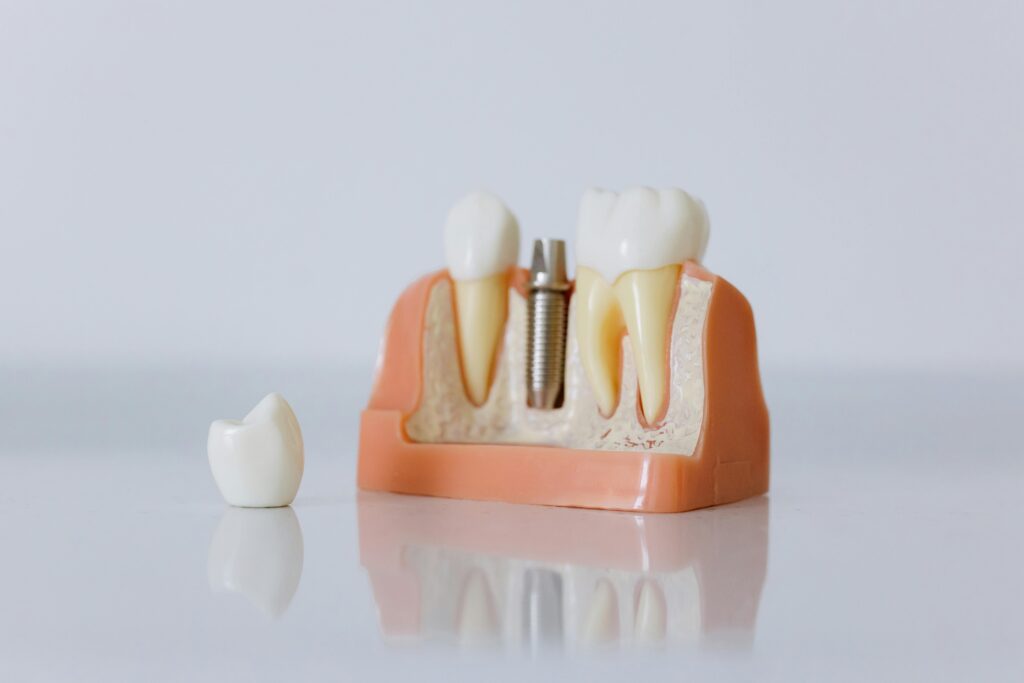
For people who have lost most or all of their teeth, or who are facing the prospect of removing teeth that can no longer be predictably saved, All-on-4 can feel like a dramatic shift. It is often presented as a faster, simpler path to a fixed smile, and in the right case, that is not just marketing language. It can be a practical, durable treatment that restores chewing function, confidence, and day-to-day comfort in a way that removable dentures often do not.
That said, All-on-4 is not a magic formula. It is a specific full-arch treatment concept with clear strengths, clear limitations, and a handful of decision points that matter more than many patients realize at the start. The best outcomes tend to happen when the clinical plan matches the anatomy, the bite, the patient’s expectations, and the maintenance commitment.
What All-on-4 actually means
All-on-4 refers to a full-arch restoration supported by four dental implants, usually placed in the front and back portions of the jaw in a way that maximizes available bone. The two front implants are typically more upright. The two back implants are often angled. That angulation is not a gimmick. It is used to avoid structures such as the maxillary sinus in the upper jaw or the nerve canal in the lower jaw, while still creating a broad enough base to support a fixed prosthesis.
The end result is not four individual replacement teeth, and it is not a mouthful of separate crowns. It is a full bridge attached to four implants. In some cases, the final bridge may be supported by more than four implants, depending on bone quality, bite forces, anatomy, or surgeon preference. Even so, the phrase All-on-4 has become the common shorthand patients use for fixed full-arch treatment.
This distinction matters because the expectations are different from replacing a single missing tooth with a single implant. With a full-arch bridge, the surgeon and restorative dentist are managing not only support, but smile line, lip support, speech, bite relationship, gum appearance, and how the bridge will be cleaned every day.
Why this treatment appeals to so many patients
A traditional denture sits on the gums and underlying bone. Some patients adapt well to dentures. Many do not. Lower dentures, in particular, can feel unstable, especially when eating or speaking. Over time, bone loss can make the fit worse, which leads to relines, adhesives, sore spots, and frustration.
A fixed implant-supported bridge changes that experience. Patients often describe the difference in ordinary terms rather than technical ones. They say food tastes normal again because the roof of the mouth is not covered. They say they stop worrying that teeth will shift when they laugh. They say they can order steak, apples, salads, and crusty bread without planning around the limitations of a removable appliance.
There is also a time factor. In many cases, the implants can be placed and a temporary fixed prosthesis delivered on the same day or within a very short window. That is the part people often Dental Implants know as “teeth in a day.” It does not mean the case is finished in a day. Healing still takes months. The final prosthesis comes later. But it does mean patients may avoid a long stretch without teeth or with a removable denture during early healing.
The major benefits, beyond the obvious cosmetic change
A fuller smile is the most visible benefit, but it is rarely the most important one after the first few weeks. Function tends to matter more over time.
Chewing efficiency improves significantly when the prosthesis is stable. That can change food choices, digestion, and general comfort at meals. Speech often improves too, though there can be an adjustment period while the tongue adapts to the shape of the temporary and later the final prosthesis. People who have hidden their mouths for years also tend to carry less social tension. That psychological shift is hard to measure, but it is real.
From a surgical planning standpoint, All-on-4 can reduce the need for bone grafting in selected cases. Because the back implants are angled to use available native bone, some patients who might otherwise need sinus lifts or more extensive grafts can move ahead with a fixed solution using existing anatomy. That can lower treatment complexity, shorten timelines, and reduce healing stages.
There is also the issue of bone preservation. Dental implants help maintain bone in the areas where they are placed because chewing forces are transferred into the jaw. A denture does not do that in the same way. While implants do not freeze the jaws in time, they generally offer a more favorable long-term environment than no implants at all.
Where All-on-4 fits, and where it does not
One of the most common misunderstandings is that All-on-4 is best for anyone with multiple failing teeth. Sometimes it is. Sometimes it is not. If a patient still has several healthy teeth with good long-term potential, preserving those teeth may be the better choice. Extracting salvageable teeth simply to move into a full-arch implant case can be a mistake when made for convenience rather than necessity.
All-on-4 makes the most sense when the remaining teeth are severely compromised, when full-mouth reconstruction on a tooth-by-tooth basis would be less predictable, or when a patient has already lost all teeth in an arch and wants a fixed replacement.
There are also situations where four implants may not be enough. A patient with very heavy bite forces, a history of grinding, reduced bone density, or a long arch span may benefit from additional implants for support. That does not mean All-on-4 has failed as a concept. It means treatment planning should respond to the biology and mechanics in front of the team, not to the slogan on a website.
Candidacy depends on more than missing teeth
Bone volume matters, but it is not the only factor. Gum health, medical history, airway habits, bite pattern, smoking, diabetes control, and oral hygiene all influence implant outcomes. I have seen patients with modest bone do very well because they were meticulous with maintenance and followed instructions closely. I have also seen anatomically favorable cases struggle because the patient assumed the new teeth were “permanent” in the sense of maintenance-free.
Strong candidates usually share several traits:
- They have realistic expectations about healing time, comfort, and maintenance.
- They can keep regular follow-up visits and hygiene appointments.
- They understand that temporary teeth require a softer diet during integration.
- They have manageable medical risk factors, or those risks are coordinated with their physician.
- They are prepared for long-term upkeep, including possible repairs or replacement parts over time.
Smoking deserves special mention. It does not automatically rule out treatment in every practice, but it raises risk. Blood supply, healing quality, and infection resistance are not abstract concerns here. They show up in real outcomes. The same is true for uncontrolled diabetes, untreated periodontal disease, and severe teeth grinding. These do not always stop treatment, but they should change the conversation.
The temporary phase is more important than patients expect
A lot of attention goes to the final bridge, understandably. Yet the temporary prosthesis often determines whether the case develops smoothly. That provisional phase is when the implants are integrating with bone and the bite is being tested in real life. Speech, lip support, chewing patterns, and aesthetics can all be refined during this stage.
Patients who receive immediate fixed temporaries often feel an understandable rush of relief. They can smile again. They can go back to work without removable dentures. But the first few months require discipline. Even if the temporary feels solid, the implants are still healing. A patient who bites aggressively into hard bread, nuts, or tough meat too soon can overload the system. When that happens, the issue may not be obvious right away, but it can compromise integration.
Clinically, the temporary also reveals details that no digital design can perfectly predict in advance. A person may discover certain sounds whistle slightly. Another may want a little more tooth display when smiling. Someone else may need changes in how the back teeth meet to reduce muscle strain. This is one reason experienced restorative teams value the provisional phase. It is not a placeholder. It is part of the treatment.
Materials make a difference, but not in the simplistic way ads suggest
Patients often ask whether zirconia is “better” than acrylic. The honest answer is that it depends on where the patient is in treatment and what the case requires.
Temporary full-arch prostheses are commonly made from acrylic or similar materials because they are lighter, easier to adjust, and appropriate during healing. Final prostheses may be made from zirconia, a metal-acrylic hybrid, or other engineered combinations. Each has trade-offs involving strength, weight, repairability, wear against opposing teeth, appearance, and cost.
Zirconia is popular because it is strong, stable, and can look excellent when designed well. But strength alone is not the whole story. If a patient has parafunctional habits such as clenching, or if the opposing arch presents a challenging bite, the restorative design matters just as much as the material. A bridge fails as a system, not as a brand label. Screws, framework design, implant position, cantilever length, and occlusion all influence longevity.
This is an area where practical judgment matters. A beautifully milled final bridge can still be the wrong choice if the bite has not been tested properly or the patient has not adapted well during the temporary phase.
What the surgery and recovery typically involve
The surgical day varies. Some patients arrive with teeth that need extraction. Others are already edentulous and are receiving implants into healed ridges. Sedation options differ by practice and by medical profile. Swelling and bruising are common. Pain is often described as manageable, though the experience ranges widely depending on how many extractions were done and whether bone contouring was required.
Healing is not usually linear. Many people feel better after a few days, then have a stretch where speech feels awkward or chewing feels more tiring than expected. The gums change shape as swelling drops. The temporary may need adjustment. This is all normal, but it is easier when patients know in advance that “same day teeth” does not mean same day adaptation.
In the first week or two, the most common frustrations are not severe pain. They are usually practical things: learning how to clean under the bridge, figuring out which soft foods are satisfying, adjusting to saliva changes, and noticing that the lips and cheeks engage differently when speaking. These issues usually settle with time and coaching.
The financial side deserves a sober look
All-on-4 is a major investment. Fees vary considerably by region, provider experience, materials used, whether extractions are included, whether sedation is included, and whether significant preparatory work is needed. A lower upfront price can mean fewer services are bundled, less follow-up care is built in, or the final prosthesis is a different material than the patient assumed.
That does not mean the most expensive option is automatically the best one. It does mean patients should compare proposals carefully. Ask what is included in writing. Is the temporary prosthesis part of the fee? How many follow-up adjustments are covered? Is the final bridge included, and if so, what material is planned? Are maintenance visits separate? If an implant fails to integrate early, what are the replacement terms?
These details are not minor. They shape the real cost of care.
Risks and complications that should be discussed plainly
Every surgical and prosthetic treatment carries risk. Implant failure can happen early if integration does not occur, or later if the surrounding bone and tissues break down. Mechanical complications are also common enough that they should be expected over a long timeline rather than treated as shocking exceptions. Teeth can chip. Acrylic can fracture. Screws can loosen. Night guards may be needed to protect the work, especially in grinders.
In the upper jaw, bone quality is often softer than in the lower jaw, which can influence planning and healing. In both jaws, hygiene is critical. Food and plaque collect under full-arch bridges in places patients cannot see easily. A patient who was inconsistent with home care before treatment will not suddenly become meticulous afterward without support and structure.
There are also aesthetic trade-offs. Full-arch bridges often replace both teeth and some lost gum volume. That is sometimes a benefit because it restores fullness efficiently. But in patients with a high smile line, the transition area between prosthesis and tissue may show if not carefully managed. This is one of those details that can separate a merely acceptable result from a truly satisfying one.
Speech deserves honest mention too. Most patients adapt well, but some sounds can be tricky at first, especially “s,” “f,” and “v” sounds. Minor contour changes can help, but adaptation takes practice. People who use their voice professionally, such as teachers, attorneys, salespeople, and singers, should bring that up early in treatment planning.
Maintenance is not optional
One of the easiest mistakes is to think of full-arch Dental Implants as a one-time fix. They are durable, but they are not self-maintaining. Daily cleaning under the bridge matters. So do regular professional visits. The prosthesis may need to be removed periodically by the dental team for deep cleaning, screw checks, tissue evaluation, and radiographic monitoring.
At home, patients are usually shown how to use specialty floss, threaders, or water irrigation around the underside of the bridge. The exact routine varies by design and preference, but the principle is constant: the areas you cannot easily see are the areas most likely to accumulate debris.
A well-maintained case can serve a patient for many years. A neglected case can develop odor, inflammation, staining, peri-implant disease, and more serious complications. This is not meant to be alarming. It is simply the reality of any complex restorative treatment.
How All-on-4 compares with traditional dentures and individual implants
Compared with traditional dentures, All-on-4 usually offers better stability, stronger bite confidence, and a more natural sense of having “teeth” rather than a removable appliance. For many patients, the improvement in quality of life is substantial. However, dentures are still less expensive, less invasive, and easier to modify quickly. For an older patient with significant medical concerns or a limited budget, a well-made denture may still be the most sensible solution.
Compared with placing many individual implants across the arch, All-on-4 can be more efficient and less surgically demanding. Fewer implants may mean less grafting and lower cost. The trade-off is that the restoration depends on a smaller number of support points, which puts pressure on careful planning and maintenance. Again, this is not inherently a flaw. It is simply part of choosing a treatment concept.
The best treatment is not always the most sophisticated one. It is the one with the best balance of biology, mechanics, patient goals, and long-term practicality.
Questions worth asking before you commit
A consultation should leave you better informed, not merely impressed. Some of the most valuable conversations happen when patients ask direct, specific questions rather than general ones.
- How many full-arch cases like mine do you complete in a typical year?
- Will I receive a fixed temporary right away, and what limitations will I have during healing?
- What material is planned for the final bridge, and why is it right for my bite?
- What maintenance will I need each year, and what costs are separate from the surgical fee?
- If one implant does not integrate, how would that change the plan?
The answers matter not only for information, but for tone. A good team should be comfortable discussing risk, alternatives, and maintenance without sounding defensive or vague.
The value of a coordinated team
The strongest All-on-4 cases are usually the product of coordinated planning between the surgical and restorative sides of treatment. The surgeon focuses on anatomy, implant positioning, stability, and healing. The restorative clinician focuses on function, aesthetics, phonetics, cleansability, and the long-term behavior of the prosthesis. When those perspectives are aligned from the start, patients benefit.
This is especially important in complex cases, such as severe bone loss, collapsed bite, high smile lines, or patients who have worn dentures for many years and lost lip support. These are not impossible cases. They just require thoughtful design and clear communication. A digital treatment plan can help, but software does not replace judgment.
I have seen patients arrive at consultations focused almost entirely on the promise of “new teeth in one day.” After a thorough workup, many of them end up asking different questions. They start asking how the bridge will be cleaned, whether their speech will change, whether their face will look fuller, and what happens if they grind at night. Those are exactly the right questions. They shift the conversation from sales language to lived reality.
When the treatment shines
At its best, All-on-4 is transformative for the right patient. Someone who has spent years managing loose dentures, recurring dental infections, broken down teeth, or embarrassment around eating in public can regain a level of normalcy that feels profound precisely because it is so ordinary. Eating with family without worry, speaking without a denture moving, smiling without calculation, these are not cosmetic side notes. They shape daily life.
The treatment shines most when expectations are mature. Patients who do well understand that there is surgery, healing, adaptation, maintenance, and future servicing. They are not buying a static object. They are entering a long-term restorative relationship with their oral health.
That perspective tends to produce the best decisions. It allows people to weigh the benefits honestly, accept the responsibilities that come with fixed Dental Implants, and choose the option that fits not only their smile goals, but also their habits, health, and priorities over the next decade and beyond.
Oaks Dental
5000 Parkway Calabasas Suite 308
Calabasas, CA 91302, United States
+1 818-431-2000
FAQ About Dental Implants
What is the downside of a dental implant?
Implants require surgery and a healing period that can last several months. Possible complications include infection, nerve or sinus injury, damage to nearby teeth and failure to bond with bone. Your dentist should assess your health, bone support and alternatives before recommending treatment.
What do dental implants typically cost?
There is no single price for every implant case. The number of teeth replaced, implant components, final restoration and any grafting or extractions affect the total. Request a written estimate covering every stage and confirm insurance benefits and out-of-pocket costs with the practice.
How long do tooth implants last?
An implant can provide long-term support and may last a lifetime with good oral hygiene and regular dental care, but this is not guaranteed. The crown or other restoration may need replacement sooner. Smoking, gum disease and some health conditions can reduce implant success.