Dental Implants Calabasas CA for Restoring Function and Beauty
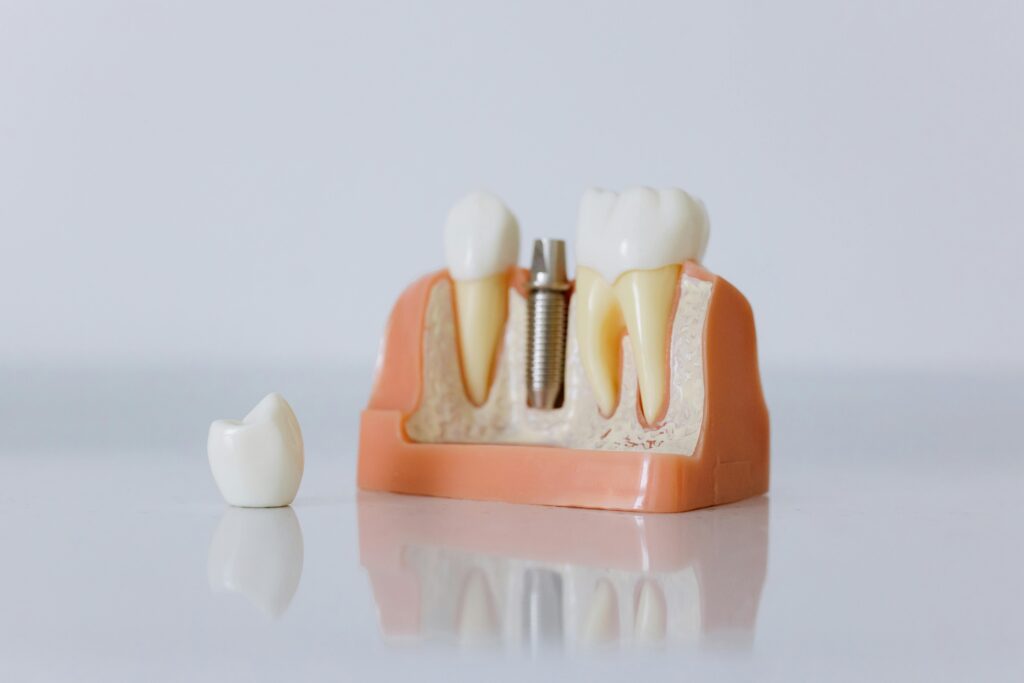
A missing tooth changes more than a smile. It alters the way a person bites into an apple, how clearly certain words land, and how confidently they laugh in a meeting or family photo. Over time, the effects reach even deeper. The jawbone in the area of a missing tooth begins to shrink, neighboring teeth may drift, and the entire bite can become less stable. That is why dental implants remain one of the most meaningful advances in restorative dentistry. They do not simply fill a gap. They replace the missing root and support a restoration that looks, feels, and functions much more like a natural tooth.
For patients considering Dental Implants Calabasas CA, the appeal is usually a mix of practical and personal goals. Some want to chew comfortably again after years of favoring one side. Some are tired of a loose partial denture. Others are looking for a long-term solution that preserves facial structure and lets them stop thinking about the missing tooth altogether. Those goals are valid, and in many cases, realistic.
The strongest treatment plans begin with clear expectations. Implants can deliver remarkable results, but they are not a one-size-fits-all fix. Good planning matters. Bone quality matters. Gum health matters. Bite forces matter. So does the skill and judgment of the team placing and restoring the implant. When those pieces come together, the result can be transformative in a very grounded, everyday way: better meals, easier speech, less self-consciousness, and a smile that no longer feels incomplete.
Why implants stand apart from other tooth replacement options
Traditional bridges and removable dentures still have a place in dentistry. There are times when they are appropriate, efficient, and cost-effective. But implants solve a different problem. A bridge replaces the visible part of a missing tooth by connecting to the teeth on either side. A denture replaces multiple teeth and rests on the gums, sometimes with clasps or adhesive. An implant, by contrast, is placed in the jawbone where the root once was, then restored with a crown, bridge, or denture connection.
That difference matters because the root is not a small detail. It is what transfers chewing forces into bone. When a natural tooth is lost, the bone that once supported it no longer receives that stimulation. The body begins to resorb it. This is one reason patients with long-term tooth loss often notice changes in the shape of their gums and jaw over the years. Dental implants help slow that process by giving the bone a job again.
Patients often describe the benefit in simple terms. An implant-supported tooth feels anchored. There is no rocking, no clip, no need to remove it at night. That does not mean the experience is identical to a natural tooth. There is no periodontal ligament around an implant, so the feel under pressure is a bit different. But in daily life, many patients forget which tooth is the implant once healing is complete and the restoration is adjusted properly.
The blend of function and appearance
Cosmetic dentistry gets plenty of attention, but chewing efficiency deserves equal respect. Front teeth are visible, yet back teeth do the heavy lifting. A single missing molar can change eating habits in subtle ways. People chew on one side, avoid tougher foods, or swallow sooner than they should. Over time, those habits can lead to muscle strain, uneven wear, and bite imbalance.
Implants restore the ability to chew with more confidence because they are designed to handle functional load. The crown above the gumline can be shaped to match adjacent teeth, while the implant fixture below supports it under pressure. When done well, the result is both attractive and useful, which is exactly what good dentistry should be.
Appearance still matters, especially in the smile zone. Replacing a front tooth is among the most demanding procedures in implant dentistry because tiny differences in gum contour, crown shape, and implant position are easy to spot. A strong result requires careful timing, thoughtful provisional work in many cases, and attention to tissue support. This is where experience shows. A clinician who understands not just surgical placement but also smile design and soft tissue behavior tends to produce results that look more natural over the long term.
Who makes a good candidate
Not every patient who wants an implant is immediately ready for one, but many are eligible with the right preparation. Ideal candidates generally have healthy gums, enough bone to support the implant, and medical conditions that are reasonably controlled. Age by itself is rarely the deciding factor. A healthy adult in their seventies may be a better implant candidate than a much younger person with untreated gum disease, heavy smoking habits, and poor home care.
The most common reasons treatment needs modification involve bone loss, active periodontal disease, grinding or clenching, and certain systemic health issues. None of those automatically rule out implants. They simply change the planning. A patient with limited bone may need grafting. A patient who grinds may need a night guard and a crown designed to manage occlusal stress. A patient with diabetes may still do very well if blood sugar is well managed.
Smoking deserves special attention because it affects blood flow and healing. Heavy smokers can still receive implants in some cases, but the risk profile is different. The conversation should be honest. Patients deserve to know where the odds stand and what changes would improve their outcome.
The planning stage matters more than many people realize
The visible part of an implant is only the finish line. The real work starts much earlier. A thorough evaluation usually includes a clinical exam, Dental Implants Calabasas CA digital imaging, and a detailed review of the bite, gum condition, and medical history. Cone beam CT imaging is especially useful because it shows bone width, height, and the location of nearby structures such as the sinus or nerve canal. That level of detail helps prevent surprises and supports more precise placement.
This planning stage is also where good dentistry becomes personalized dentistry. Two patients can each be missing the same tooth and still need very different approaches. One may have dense bone, thick gum tissue, and a stable bite. Another may have a thin ridge, a high smile line, and limited restorative space. The treatment is not interchangeable.
For anyone researching Dental Implants Calabasas CA, this is one of the smartest questions to ask during a consultation: how is the implant position planned in relation to the final crown? That phrasing matters because ideal implant treatment is often prosthetically driven. In plain language, the future tooth should guide where the implant goes, not the other way around. When the process is reversed, the crown may need compromises in shape or emergence profile that make the result harder to clean or less natural to look at.
What the procedure usually involves
The timeline for implants varies. Some patients can have an extraction, implant placement, and a temporary restoration within a short window. Others need a staged approach with healing periods between steps. There is no prize for rushing if the biology is not ready.
A typical sequence often looks like this:
- Evaluation and imaging to assess bone, gums, bite, and medical factors.
- Tooth removal if needed, sometimes with bone grafting at the same visit.
- Implant placement after the site is ready, followed by healing and integration.
- Attachment of the connector piece and impressions or digital scans for the final tooth.
- Delivery and adjustment of the final crown, bridge, or implant-supported denture.
The healing phase, known as osseointegration, is central to long-term success. During this period, the bone bonds to the implant surface. In many straightforward cases, this takes a few months. It can be shorter or longer depending on stability at placement, implant location, bone quality, and whether grafting was involved. Upper back teeth, for example, often present softer bone than the lower jaw and may need more caution.
Patients are often pleasantly surprised by the procedure itself. Implant surgery is usually more controlled and less dramatic than they expect. Local anesthesia is standard, and some practices also offer sedation for anxious patients or more complex cases. Postoperative discomfort is often manageable with routine medication, cold compresses, and a soft diet for a short period. The more uncomfortable scenarios tend to involve extractions, extensive grafting, or multiple implants at once, not a single uncomplicated implant in a healthy site.
Bone grafting is not a setback, it is part of good planning
Hearing the words “you need a bone graft” can sound discouraging, but in practice it often reflects careful treatment planning rather than a problem. Once a tooth is lost, bone naturally shrinks, especially in the first year. If the ridge becomes too narrow or too shallow, the implant may not have enough support or may end up in a poor position.
Grafting rebuilds what time has taken away. The material can come from several sources, and the right choice depends on the case. The goal is to create a stable, healthy foundation for the implant and to support the gum contours around the future restoration. In the front of the mouth, even small deficiencies can affect esthetics. In the back, the concern is often strength and implant stability.
Sinus augmentation is another common example in the upper back jaw. After upper molars are lost, the sinus can expand downward, leaving less bone for implants. A sinus lift creates room for graft material and future support. It sounds intimidating, but it is a well-established procedure when indicated and planned correctly.
Single tooth replacement versus full-arch treatment
Implants are not limited to one missing tooth. They can support many forms of reconstruction, from a single crown to a full-arch prosthesis. The goals remain the same, restore function, preserve bone, and create a stable, maintainable result.
A single implant crown is often the cleanest option when one tooth is missing and the neighboring teeth are healthy. It avoids cutting down adjacent teeth for a bridge. For multiple missing teeth in a row, implants can support a bridge without requiring an implant for every space. For patients who have lost most or all teeth, several implants can anchor a full-arch restoration that is far more stable than a conventional denture.
The right approach depends on anatomy, budget, medical factors, and patient priorities. Someone who values retrievability and easy maintenance may choose one design. Someone who wants maximum fixed stability and has adequate bone may choose another. These decisions are best made in consultation with a provider who discusses both advantages and limitations, not just the most attractive marketing version of implant treatment.
The importance of gum health and bite design
Successful implants are not just about the titanium fixture. The surrounding tissues have to stay healthy. The bite has to be balanced. The restoration has to be shaped so it can be cleaned. These points sound basic, but they are where many long-term problems start.
Peri-implant tissue can become inflamed if plaque accumulates or if the restoration traps food and bacteria. Unlike natural teeth, implants do not have the same attachment apparatus, which means inflammation around them should never be ignored. Bleeding, tenderness, or persistent bad taste around an implant deserves evaluation. Early intervention is much easier than correcting bone loss later.
Bite design is just as important. Patients who clench or grind can place tremendous force on implants, especially on narrow implants or restorations with poor force distribution. A well-designed crown, proper contact points, and a protective night guard can make a significant difference in longevity. In practice, some of the most durable implant results come not from perfect anatomy alone, but from disciplined maintenance and smart bite management.
What to ask during a consultation
A strong consultation should feel like a real discussion, not a sales presentation. Patients do best when they understand not only the proposed treatment, but also the alternatives, trade-offs, timeline, and maintenance needs. If the conversation seems rushed or vague, that is worth noticing.
A few useful topics to cover include:
- Whether any bone grafting or gum treatment is recommended and why.
- How the implant position is planned relative to the final restoration.
- What type of temporary tooth, if any, will be used during healing.
- What the expected timeline is from surgery to final placement.
- How follow-up care and long-term maintenance will be handled.
That final point often gets too little attention. Implants need ongoing care. Professional cleanings, periodic imaging when indicated, and home hygiene all matter. A beautiful implant crown is not self-maintaining simply because it cannot get a cavity.
Cost, value, and the long view
Implants generally cost more upfront than a removable partial denture and often more than a traditional bridge. That part is real, and patients should not be pressured to pretend otherwise. But cost alone does not tell the whole story. Value includes durability, maintenance, comfort, and the impact on adjacent teeth and jawbone.
A bridge may be less expensive initially, but if it requires preparing healthy neighboring teeth, there is a biological cost. Dental Implants Calabasas CA A removable appliance may cost less today but deliver less confidence, less chewing efficiency, and more replacement over time. An implant is often chosen not because it is the cheapest option, but because it preserves more of what remains and usually provides a more natural experience.
The final fee varies widely based on the complexity of the case, the need for grafting, the type of restoration, and whether specialists are involved. Patients deserve transparent estimates and a clear explanation of what is included. It is reasonable to ask whether the quoted fee covers the implant, abutment, crown, imaging, and follow-up visits, or whether those are billed separately.
Why local experience can make a difference
Choosing a provider for Dental Implants Calabasas CA is not just about convenience. It can also affect continuity of care. Implant treatment unfolds over time, sometimes several months. Follow-up appointments matter. Adjustments matter. If healing does not follow the expected path, access to the treating team matters.
A local practice with substantial implant experience can also offer better coordination between the surgical and restorative phases. In many cases, the best outcomes come from close collaboration between the surgeon, restoring dentist, lab team, and hygienist. That is especially true in esthetic cases and full-mouth rehabilitation, where small miscommunications can create larger problems later.
It helps to look for a team that speaks plainly, documents clearly, and shows examples of real cases similar to yours. Not every excellent clinician markets heavily, but good work tends to show in the details: healthy gum contours, crown shapes that do not look bulky, and treatment plans that feel measured rather than rushed.
Recovery and life after the final crown
Once the final restoration is placed, most patients go through a brief adaptation period. The tooth may feel slightly different at first simply because it is no longer missing and the tongue notices it. That awareness usually fades quickly. If the bite feels high or the floss contact is too tight, a small adjustment can make a big difference. Patients should not hesitate to report those issues.
Long-term care is straightforward but important. Daily brushing, flossing or other recommended interdental cleaning, regular professional maintenance, and attention to bite changes are the essentials. Patients with multiple implants or full-arch restorations may need specialized tools and cleaning instructions. None of it is difficult, but it should be taught properly.
What often stands out months later is how ordinary the result becomes. That is usually the mark of success. Eating no longer requires planning around a gap. Smiling no longer feels like a deliberate decision. The restored tooth simply returns to the background, where healthy teeth belong.
Dental implants are not magic, and they are not casual treatment. They require diagnosis, planning, healing, and long-term stewardship. But for the right patient, they can restore both function and beauty in a way few other options can match. When placed thoughtfully and maintained well, they support more than a complete smile. They support comfort, confidence, and the quiet relief of having one less thing to work around every day.
Oaks Dental
5000 Parkway Calabasas, Suite 308
Calabasas, CA 91302, United States
Phone: +1 (818) 412-8349
FAQ About Dental Implants Calabasas CA
How much does a dental implant cost in California?
Costs vary with the number of teeth replaced, restoration type, imaging, and any extractions or bone grafting. Request an itemized estimate after an examination; a single advertised price may not include every treatment stage.
Can people with autoimmune disease get dental implants?
Some people may qualify, but the condition, medications, oral health, and healing risks require individual assessment. Share your medical history with your dentist, who may coordinate with your treating physician.
Can you have dental implants if you have osteopenia?
Osteopenia does not by itself establish whether implants are suitable. Your dentist must evaluate jawbone support and review bone-related medications and other risks before recommending treatment.