Dental Implants for Busy Adults: Convenient Treatment Options
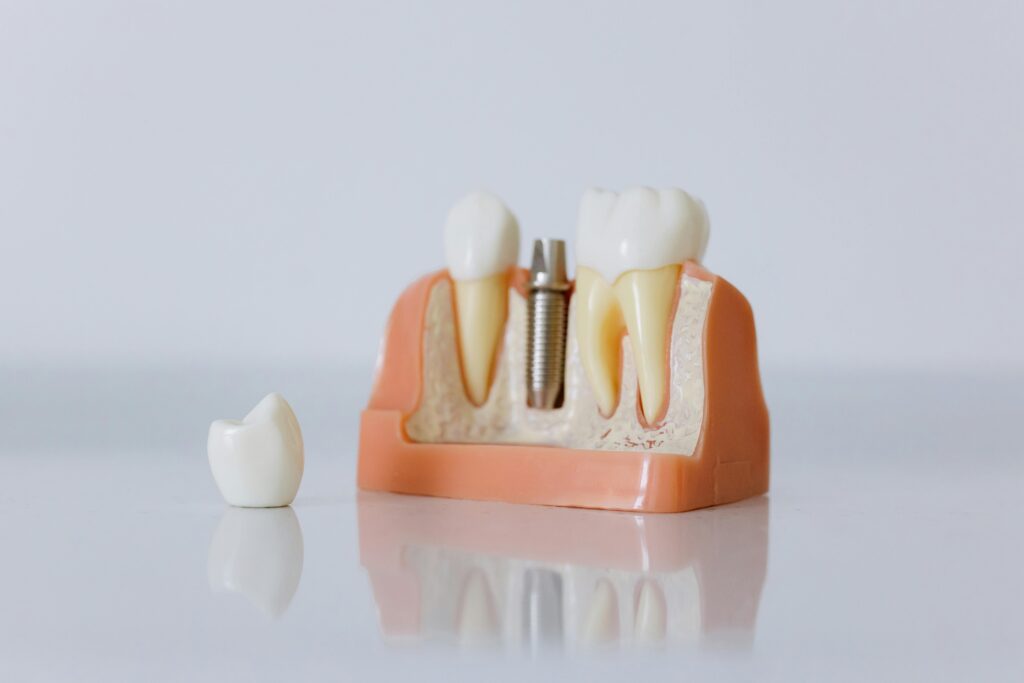
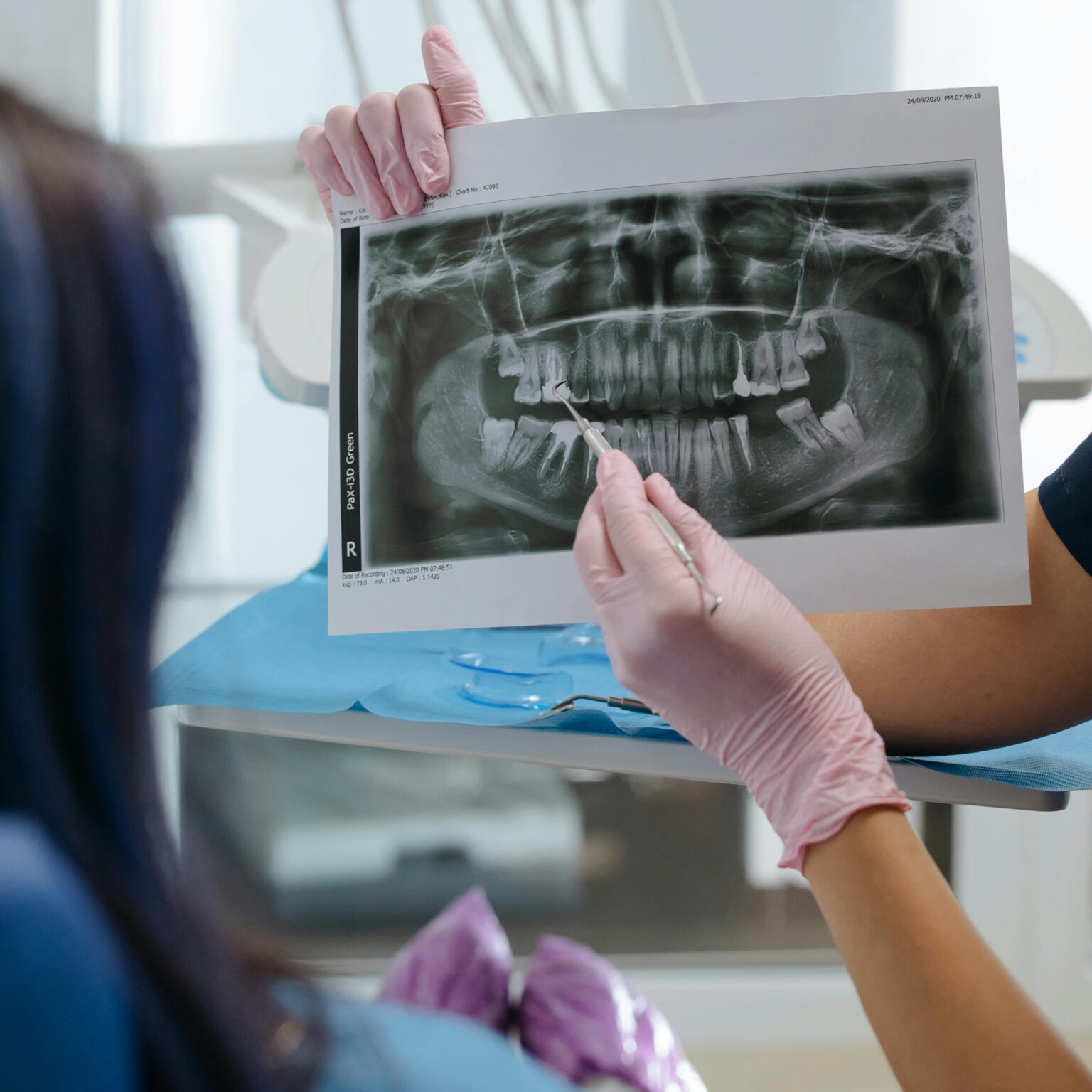

Time is often the deciding factor in healthcare. Many adults who would happily book a consultation for a missing tooth keep pushing it back for a practical reason: life is full. Work runs long, family schedules shift by the hour, travel is frequent, and there never seems to be a perfect window for treatment. Dental care is especially vulnerable to delay because people tend to adapt. They chew on the other side, smile a little less, and tell themselves they will deal with it after the next deadline, trip, or school break.
That approach works for a while, but a missing tooth rarely stays a simple, isolated problem. Adjacent teeth can drift. Biting forces change. The bone in the area often shrinks over time. Meals become less comfortable, photos feel awkward, and what started as one missing tooth can begin affecting several others. Dental implants are often the most stable long-term solution, yet they carry a reputation for being complicated, slow, and disruptive. For many adults, that reputation is what keeps them from making the first appointment.
In practice, modern implant care can be far more manageable than people expect. It still requires planning, and there is no honest way to call surgery effortless, but there are now treatment pathways designed specifically for adults who need efficiency without sacrificing quality. The right office can compress diagnostics, coordinate specialist care, reduce the number of visits, and build a timeline around work and family obligations. The key is understanding what is truly possible, what shortcuts are reasonable, and which promises deserve a second look.
Why busy adults often delay treatment
Most patients who postpone implant care are not avoiding dentistry out of neglect. They are making the same trade-off they make everywhere else in adult life, handling what feels urgent and pushing off what seems tolerable. A missing molar in the back may not hurt. A front tooth replaced temporarily with a removable option may seem good enough for another year. If someone can still eat, still talk clearly, and still get through the week, treatment feels optional.
The difficulty is that dental timing does not always cooperate with personal timing. Bone volume can change after an extraction, sometimes fairly quickly in the first several months. Sinus position in the upper jaw and nerve location in the lower jaw can limit options later. Teeth that absorb extra chewing force may crack, loosen, or wear faster. I have seen adults come in expecting a straightforward single implant, only to learn that waiting turned a one-step plan into a more involved treatment that included grafting and a longer healing period.
That does not mean every delay creates a major problem. Some sites remain stable for years. Some patients already have enough bone and healthy gums despite waiting. The point is simpler than that: if you are busy, it is often smarter to get evaluated early even if treatment must happen later. A consultation gives you information, a scan, a timeline, and usually more flexibility than guessing.
What convenience actually looks like in implant dentistry
Convenience in dental implants does not mean cutting corners. It means reducing avoidable friction. The best streamlined treatment plans usually share a few features. Diagnostics happen efficiently, often with a 3D scan taken in the office. Consultations are longer and more useful, so you leave with clear answers rather than another layer of uncertainty. Surgical and restorative planning are coordinated from the start, which prevents the common problem of seeing multiple providers who each address only one part of the case.
For a busy adult, convenience also means fewer surprises. If a clinic can tell you early that you may need bone grafting, a sinus lift, sedation, or a temporary restoration, you can plan around it. If they can estimate healing windows in realistic terms, not idealized ones, you can schedule work trips, presentations, or family events with less anxiety. A Friday procedure followed by a lighter weekend is often much easier to manage than trying to squeeze surgery into the middle of a packed week.
Another practical form of convenience is digital planning. Many implant practices now use cone beam imaging, digital impressions, and guided surgery to improve precision. Patients sometimes hear those terms and assume they are marketing Dental Implants language. In the right hands, they are mostly about reducing uncertainty. Better planning can shorten appointment time, improve implant positioning, and help the restorative phase go more smoothly. It does not guarantee a simple case, but it often makes the process more predictable.
The treatment options that save the most time
Not every implant case follows the same sequence. The best option depends on bone levels, gum health, the cause of tooth loss, medical history, and whether the missing tooth is in the front or back of the mouth. Still, some treatment models are especially helpful for adults with limited flexibility.
One common time-saver is immediate implant placement, where the implant is placed at the same appointment as the extraction when conditions allow. This can reduce the number of surgical visits and preserve tissue contours. It is particularly attractive for patients who want to avoid a long gap between losing a tooth and starting restoration. The catch is that immediate placement is not appropriate for every site. Active infection, poor bone quality, significant gum recession, or an unfavorable bite may make a staged approach safer. When dentists say no to immediate placement, it is often because they are protecting the long-term result, not because they are behind the times.
Another efficient pathway is immediate provisionalization. In selected cases, especially in the front of the mouth, a temporary tooth can sometimes be attached shortly after implant placement. This can be a major advantage for adults whose work involves public speaking, meetings, or frequent social contact. The temporary tooth is usually designed to protect the implant while preserving appearance. It is not the same as getting a final crown on day one, and patients still need to be careful with pressure on the area, but it can make the healing period much easier to live with.
For people missing several teeth, implant-supported bridges may offer a simpler path than replacing each tooth individually. In full-arch cases, some patients are candidates for treatment concepts that use a limited number of implants to support a full set of teeth. These approaches can dramatically improve function and reduce the frustration of removable dentures. They also require careful screening. A treatment that sounds fast on paper can become complicated if gum disease, uncontrolled grinding, smoking, or medical issues are part of the picture.
Sometimes the most convenient option is not the fastest surgical option. A planned delay after extraction can allow infection to clear, grafts to heal, and tissue to mature, resulting in a more predictable implant placement later. Busy adults often appreciate blunt honesty here. Saving six weeks means very little if it raises the chance of failure or a poor cosmetic result.
How long the process usually takes, in real life
One reason implants feel intimidating is the impression that treatment drags on indefinitely. That is occasionally true in complex reconstruction, but many cases are more straightforward than patients imagine. The timeline can vary from a few months to longer than a year depending on starting conditions.
A simple single-tooth implant in healthy bone may involve consultation and imaging, placement of the implant, a healing period of a few months, and then the final crown. If the tooth has not yet been extracted, that adds another step, though extraction and implant placement can sometimes be combined. If grafting is needed first, the total timeline extends. Upper back teeth, where sinus anatomy matters, can be less predictable than lower front areas. Cosmetic zones in the front may require more careful tissue management and more follow-up.
What matters for a busy person is not just total calendar time, but active chair time. In many cases, the amount of time you physically spend in the office is modest compared with the healing time happening in the background. That distinction helps. Patients often hear “several months” and picture constant appointments, when in reality there may be a small number of visits spread out over that period.
I often tell people to think in two clocks. There is the biological clock, which is controlled by healing and cannot be rushed much beyond a certain point. Then there is the scheduling clock, which the office should help optimize. Good planning respects the first and streamlines the second.
The role of sedation and comfort-focused scheduling
For many adults, the obstacle is not only time. It is the idea of fitting a stressful procedure into an already overloaded week. Sedation can make implant treatment more manageable, especially for patients with dental anxiety, a strong gag reflex, or a low tolerance for prolonged appointments. Options vary by practice and region, from oral sedation to IV sedation, and suitability depends on your medical history and the complexity of the procedure.
Sedation does not shorten biological healing, but it can reduce the emotional burden of treatment and make it easier to complete more work in one visit when clinically appropriate. Someone having multiple implants placed, extractions performed, or grafting completed may prefer one carefully planned sedated appointment over several shorter visits.
Scheduling matters almost as much. Adults who do best with implant care usually treat it the way they would any other meaningful procedure. They protect the appointment, avoid trying to “pop back into work” immediately after surgery, and plan soft foods, transportation, and a lighter schedule for a day or two. The office can help by offering early appointments, grouping procedures, and timing restorative visits around travel or major events. These details seem minor until you are trying to manage swelling before a presentation or a temporary tooth before a wedding.
When same-day promises help, and when they should make you cautious
“Same-day teeth” has become a familiar phrase, and sometimes it describes a legitimate and useful treatment pathway. For the right patient, it can be transformative. A person with failing teeth or unstable dentures may have extractions, implants, and a fixed temporary prosthesis delivered in a condensed timeframe. The value is obvious: fewer transitions, no long period without teeth, and a faster return to confidence.
But same-day language can also blur important distinctions. Receiving implants and leaving with a fixed temporary restoration is not the same as completing treatment permanently in one day. Final prosthetics still require healing, refinement, and follow-up. If marketing language skips over those phases, expectations can become unrealistic very quickly.
The stronger practices are usually the ones that explain limits clearly. They tell you whether your bone quality supports immediate loading. They discuss what happens if an implant needs a more cautious healing phase. They explain the difference between convenience and speed, because those are not always the same thing. In implant dentistry, predictability is usually worth more than haste.
Work, family, and recovery: what to plan for
Most implant procedures do not put adults completely out of commission, but recovery deserves respect. A routine single implant may lead to mild to moderate soreness, swelling, and temporary diet changes for several days. More extensive treatment can mean a rougher first week. People differ quite a bit in how they bounce back. Some return to desk work the next day. Others prefer an extra day or two, especially if sedation was involved or if multiple procedures were done together.
The type of work matters. Someone with a quiet home office can manage recovery very differently from someone who leads in-person meetings all day, teaches, travels, or works a physical job. Family obligations matter too. Parents of young children often need more support than they expect for the first 24 to 48 hours. It is not just discomfort. It is the logistics of ice packs, medication timing, limited lifting, and eating carefully while everyone else is still moving at full speed.
A useful rule is to plan for a little more downtime than you think you will need. If recovery is easy, you gain time back. If it is not, you are not scrambling.
Cost, value, and the expense of postponing
Busy adults often weigh implant treatment against every other major financial priority. That is sensible. Dental implants are an investment, Dental Implants and fees vary widely based on the number of teeth involved, the type of restoration, the need for grafting, sedation, and regional costs. A single implant crown case can be much more affordable than a full-arch reconstruction, but either way, people deserve clear itemized estimates and an explanation of what is included.
The financial conversation should also account for durability and maintenance. Bridges may cost less at first but can involve neighboring teeth. Removable partial dentures may solve an immediate problem but often come with compromises in stability and comfort. Dental implants are not maintenance-free, yet they can offer strong long-term value when properly planned and maintained.
There is also a quiet cost to delaying. Bone loss can increase complexity. Temporary solutions wear out. Small functional compromises can lead to bigger treatment later. Not every postponed implant becomes more expensive, but enough do that it is worth asking the question directly during consultation: if I wait six months or a year, what are the realistic risks to cost, timing, and options?
Choosing a provider who understands time pressure
Busy adults usually do best with a provider who is both clinically strong and operationally organized. Those are not always the same thing. A dentist or specialist may do excellent work but run a practice that makes scheduling difficult. Another office may feel efficient but rely on oversimplified treatment promises. You want both precision and systems.
Pay attention to how the consultation is handled. Does the office gather records efficiently? Do they explain whether your case will be restored in-house or in coordination with another clinician? Are treatment phases mapped out in a way that makes sense to a working adult? Do they discuss alternatives honestly, including doing nothing for now and monitoring the area if that is reasonable?
The best implant providers for busy adults tend to be practical communicators. They give time ranges, not fantasy timelines. They talk about the possibility of grafting before you are halfway through treatment. They explain aftercare in a way that helps you prepare, rather than sending you home with generic instructions and hoping for the best.
Making the process feel manageable
The first consultation often changes the emotional temperature of the whole decision. What feels vague and daunting from a distance usually becomes more manageable once you know the actual steps, the likely healing window, and the number of appointments involved. Many adults are surprised to learn that the process is less disruptive than they feared, especially when it is coordinated well.
If your schedule is tight, the smartest move is often to stop thinking in all-or-nothing terms. You do not need to be ready for surgery before you gather information. Start with the evaluation. Get the scan if recommended. Ask how your schedule can be accommodated, whether an extraction and implant might be combined, whether a temporary tooth is possible, and what parts of the timeline are flexible. These are not minor convenience questions. They are part of good treatment planning.
Dental implants are ultimately about more than replacing a tooth. They restore function, preserve structure, and remove a problem that tends to become more inconvenient with time. For adults with crowded calendars, the goal is not to force treatment into an impossible life. It is to find a treatment plan that respects both biology and reality, so the care fits your life well enough that you actually move forward.
Oaks Dental
5000 Parkway Calabasas Suite 308
Calabasas, CA 91302, United States
+1 818-431-2000
FAQ About Dental Implants
What is the downside of a dental implant?
Implants require surgery and a healing period that can last several months. Possible complications include infection, nerve or sinus injury, damage to nearby teeth and failure to bond with bone. Your dentist should assess your health, bone support and alternatives before recommending treatment.
What do dental implants typically cost?
There is no single price for every implant case. The number of teeth replaced, implant components, final restoration and any grafting or extractions affect the total. Request a written estimate covering every stage and confirm insurance benefits and out-of-pocket costs with the practice.
How long do tooth implants last?
An implant can provide long-term support and may last a lifetime with good oral hygiene and regular dental care, but this is not guaranteed. The crown or other restoration may need replacement sooner. Smoking, gum disease and some health conditions can reduce implant success.